
India’s Work-Life Balance Crisis
India’s Work-Life Balance Crisis: Why 88% of Employees Feel Overworked and Why It Matters
India has emerged as one of the fastest-growing economies in the world, powered by a young workforce, booming technology companies, expanding startups, and an increasingly competitive corporate environment. While this rapid growth has created millions of employment opportunities, it has also introduced a serious challenge that many professionals face every day—poor work-life balance.

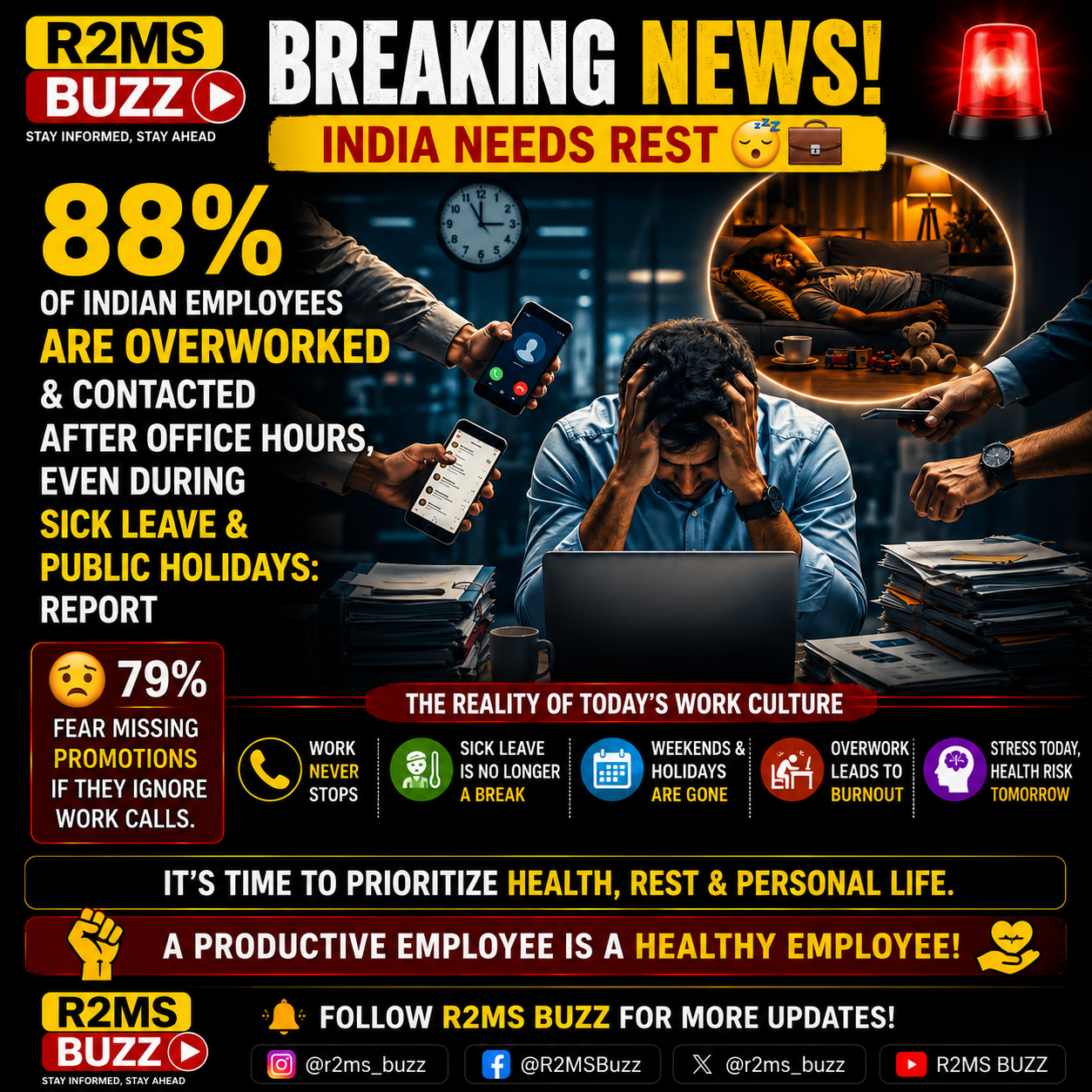
A recent report claiming that 88% of Indian employees feel overworked and continue receiving work calls and messages even after office hours, during sick leave, and on public holidays has reignited discussions about workplace culture in India. The same report also suggests that 79% of employees fear missing promotions if they ignore work-related communication outside office hours.
Although individual experiences differ across industries and companies, the findings reflect a growing concern about employee well-being, mental health, and workplace expectations. As organizations compete for productivity and growth, experts believe it is equally important to create healthier work environments that value both performance and personal well-being.
India’s Growing Work Culture
Over the past decade, India’s corporate landscape has undergone remarkable transformation. Digital technology, hybrid work models, smartphones, and instant messaging applications have made employees accessible almost every hour of the day.
While these technological advances have improved communication and efficiency, they have also blurred the boundary between professional and personal life.
For many employees, the workday no longer ends when they leave the office. Emails continue late into the night, project updates arrive during weekends, and phone calls interrupt family dinners, vacations, and even medical leave.
This “always available” culture has become increasingly common in several industries, especially technology, consulting, finance, media, customer support, and startups.
What the Report Suggests
According to the report highlighted on social media:
- 88% of employees say they are overworked.
- Many receive work calls even after office hours.
- Employees continue working during sick leave.
- Public holidays often become unofficial workdays.
- 79% fear losing promotions if they ignore work communication outside office hours.
Although workplace conditions vary between organizations, these findings indicate that many professionals feel constant pressure to remain connected with work.
Why Employees Continue Working Beyond Office Hours
Several factors contribute to long working hours in India.
Fear of Career Impact
One of the biggest reasons employees continue answering calls after work is concern about career growth. Many believe that refusing late-night meetings or ignoring messages could negatively affect promotions, salary increments, or future opportunities.
This fear often creates an unhealthy cycle where employees feel compelled to stay available at all times.
Competitive Corporate Environment
India’s job market is highly competitive. Professionals frequently work extra hours to meet deadlines, outperform colleagues, or demonstrate commitment to their organizations.
While dedication is valuable, consistently sacrificing personal time may eventually affect productivity rather than improve it.
Digital Connectivity
Smartphones, instant messaging platforms, video conferencing tools, and cloud-based collaboration have made work accessible from anywhere.
The convenience of technology has unintentionally extended working hours beyond traditional office schedules.
The Impact on Mental Health
Long working hours do not only affect physical health—they also influence emotional well-being.
Mental health professionals often point out that prolonged workplace stress may contribute to:
- Anxiety
- Burnout
- Sleep disorders
- Emotional exhaustion
- Reduced motivation
- Difficulty concentrating
- Irritability
- Lower job satisfaction
Burnout develops gradually when employees face continuous pressure without adequate rest or recovery.
Recognizing these warning signs early can help prevent more serious health problems.
Physical Health Also Suffers
Extended work schedules often reduce opportunities for exercise, healthy eating, and sufficient sleep.
Employees who regularly work late hours may experience:
- Fatigue
- Headaches
- Neck and back pain
- High blood pressure
- Digestive issues
- Weakened immunity
Medical experts consistently emphasize that adequate sleep and regular physical activity are essential for long-term health and workplace productivity.
Why Work-Life Balance Matters
Work-life balance does not mean working less. Instead, it refers to maintaining a healthy balance between professional responsibilities and personal life.
Employees with better work-life balance often experience:
- Higher productivity
- Better creativity
- Improved focus
- Stronger family relationships
- Lower stress
- Better physical health
- Greater job satisfaction
Organizations also benefit because healthier employees generally perform more consistently over the long term.
What Companies Can Do
Many organizations have already started introducing policies that encourage healthier work environments.
Some effective initiatives include:
Respecting Working Hours
Managers should avoid unnecessary calls and emails outside office hours unless there is a genuine emergency.
Encouraging Leave
Employees should feel comfortable taking annual leave and sick leave without worrying about pending work or constant communication.
Flexible Working
Flexible work schedules and hybrid work models can help employees manage professional and personal responsibilities more effectively.
Mental Health Support
Many companies now offer confidential counselling services, wellness programs, stress management workshops, and employee assistance programs.
Such initiatives encourage employees to seek help whenever needed.
The Employee’s Role
Employees also play an important role in maintaining healthy work habits.
Some practical steps include:
- Setting realistic work boundaries.
- Prioritizing important tasks.
- Taking regular breaks.
- Avoiding unnecessary overtime.
- Communicating workload concerns respectfully.
- Spending quality time with family.
- Limiting work notifications during personal hours whenever possible.
Small daily habits can significantly improve both productivity and overall well-being.
Global Discussion on the Right to Disconnect
Several countries have started discussing or implementing “Right to Disconnect” policies, allowing employees to avoid responding to work communication outside official working hours except in emergencies.
Supporters argue that such policies help:
- Reduce burnout.
- Improve mental health.
- Increase productivity.
- Strengthen family life.
- Promote healthier workplace cultures.
Although implementation varies worldwide, the discussion reflects a broader recognition that employee well-being is essential for sustainable economic growth.
Building Healthier Workplaces in India
India’s growing economy depends heavily on its skilled workforce. Protecting employee health should therefore become a shared responsibility between employers, employees, policymakers, and society.
Healthy workplaces are not created by reducing ambition but by ensuring that success does not come at the cost of physical and mental well-being.
Organizations that value employee wellness often experience stronger teamwork, lower staff turnover, higher engagement, and better long-term business performance.
Conclusion
The report suggesting that 88% of Indian employees feel overworked and that many continue receiving work-related communication after office hours has brought renewed attention to an issue affecting professionals across multiple industries. Whether in corporate offices, startups, technology firms, or service sectors, maintaining a healthy balance between work and personal life has become increasingly challenging in today’s digitally connected world.
While dedication and hard work remain essential for career growth, sustainable success also depends on adequate rest, good mental health, and supportive workplace practices. Employers who respect personal time and employees who establish healthy work habits together create more productive, motivated, and resilient organizations.
As India continues its journey toward becoming a global economic powerhouse, ensuring that professional success goes hand in hand with employee well-being will be one of the most important challenges—and opportunities—for the future.