Supreme Court Imposes ₹3 Lakh Cost on Samay Raina Over Non-Compliance With Earlier Directions
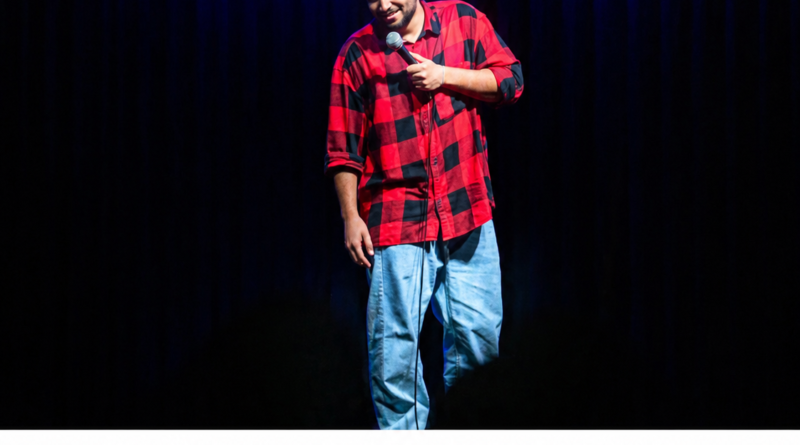
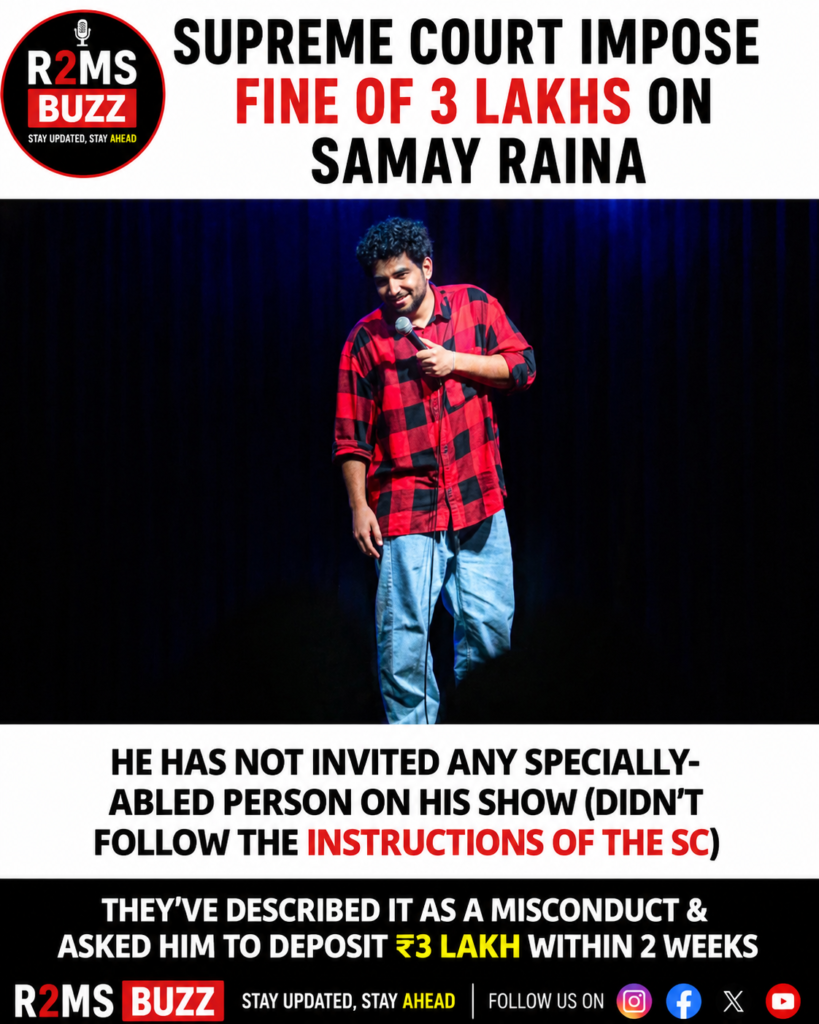
The Supreme Court of India has imposed a ₹3 lakh cost on comedian and YouTuber Samay Raina after observing that he failed to comply with an earlier undertaking given before the court in a case related to remarks concerning persons with disabilities. The order has once again brought the spotlight on the responsibilities of digital creators and public personalities in complying with judicial directions and promoting inclusivity.
The apex court directed Raina to deposit the amount within two weeks, stating that he had not fulfilled the commitment made earlier regarding the participation of specially abled individuals in his content and related initiatives. The development has sparked widespread discussion across social media, with many debating the responsibilities of online influencers and the importance of respecting court orders.
Background of the Case
The matter traces back to proceedings concerning remarks that were considered offensive towards persons with disabilities. During earlier hearings, Samay Raina and several others had assured the Supreme Court that they would take steps to promote awareness and inclusion through their public platforms.
According to the court, one of the commitments included inviting or engaging persons with disabilities through programmes and initiatives intended to promote inclusivity.
However, during the latest hearing, the court noted that the undertaking had not been complied with satisfactorily.
Supreme Court’s Observation
The Bench observed that an assurance given before the country’s highest court is expected to be honoured in both letter and spirit.
The judges reportedly expressed concern that the earlier undertaking had not translated into meaningful action despite sufficient time having been provided.
The court consequently imposed a ₹3 lakh cost, describing the failure to comply with the undertaking as unacceptable.
The amount has been directed to be deposited within the stipulated period of two weeks.
Importance of Compliance With Court Orders
Legal experts point out that undertakings given before courts carry significant legal value.
When an individual voluntarily makes a commitment before a court, that assurance becomes part of the judicial proceedings. Failure to honour such commitments may invite adverse observations or financial penalties depending on the circumstances of the case.
The Supreme Court’s latest order reinforces the principle that every litigant must comply with directions issued by the judiciary.
Inclusion of Persons With Disabilities
The case also highlights the larger issue of representation and inclusion of persons with disabilities in public life.
India has taken several legislative and policy measures to ensure equal opportunities for persons with disabilities, including the Rights of Persons with Disabilities Act, 2016.
Public personalities, entertainers, influencers, and digital content creators increasingly play an important role in shaping public attitudes. Positive representation can help reduce stereotypes and encourage greater inclusion.
The court’s earlier directions were viewed as an opportunity to promote awareness through widely followed digital platforms.
Samay Raina’s Rise as a Digital Creator
Samay Raina has emerged as one of India’s most recognised comedians and online content creators over the past few years.
Initially known for his stand-up comedy performances, he gained nationwide popularity during the COVID-19 pandemic through online chess streaming sessions that featured several well-known personalities.
His content gradually expanded into comedy shows, podcasts, live events, and digital entertainment, attracting millions of followers across platforms.
His growing popularity has also brought increased public attention to his statements and actions.
Responsibilities of Social Media Influencers
The digital era has transformed content creators into influential public figures.
With millions of followers, creators have the ability to influence public opinion, promote social causes, and shape cultural conversations.
This influence also carries responsibility.
Legal experts say that influencers must remain mindful of:
- Judicial directions
- Defamation laws
- Hate speech regulations
- Disability rights
- Ethical standards
- Responsible communication
Cases involving public personalities often serve as reminders that online popularity does not exempt individuals from legal obligations.
Why the Order Has Drawn Public Attention
The Supreme Court’s order has generated significant discussion because it involves one of India’s best-known internet personalities.
Many users have expressed differing opinions on social media.
Some believe the court’s action reinforces accountability, while others have discussed the broader responsibilities of creators who make public commitments.
Regardless of differing viewpoints, the order underlines that compliance with judicial directions remains mandatory.
Disability Rights Continue to Gain Importance
India has witnessed increasing awareness regarding disability rights over the past decade.
Government institutions, educational organisations, corporations, and media platforms have introduced measures aimed at improving accessibility and inclusion.
Public campaigns now encourage equal opportunities in education, employment, transportation, entertainment, and digital spaces.
The judiciary has also delivered several important judgments protecting the dignity and rights of persons with disabilities.
Legal Perspective
Legal analysts note that courts generally prefer voluntary compliance with undertakings rather than imposing penalties.
However, when assurances are not fulfilled, courts may issue appropriate directions to ensure accountability.
Financial costs imposed by courts are intended not merely as punishment but also as a reminder of the seriousness of judicial commitments.
The present order falls within that broader legal framework.
Public Figures and Accountability
Celebrities and digital creators frequently influence public conversations.
Their actions often receive greater scrutiny because of their visibility.
Many legal observers believe that public figures should lead by example in promoting social responsibility, particularly on issues involving equality, accessibility, and respect for vulnerable communities.
The Supreme Court’s order has once again highlighted these expectations.
Growing Role of Digital Platforms
Platforms such as YouTube, Instagram, X, and other social media networks have transformed the entertainment landscape.
Creators now reach audiences numbering in the millions without relying on traditional television or cinema.
With this reach comes increased responsibility regarding:
- Content standards
- Public conduct
- Legal compliance
- Social sensitivity
The present case illustrates how online activities can intersect with broader legal and constitutional issues.
What Happens Next?
Following the Supreme Court’s direction, Samay Raina is expected to comply with the order by depositing the ₹3 lakh cost within the prescribed period.
Further developments, if any, will depend on future compliance and any subsequent proceedings before the court.
At present, the order primarily concerns compliance with the earlier undertaking rather than introducing fresh allegations.
Broader Message
The Supreme Court’s decision sends a broader message extending beyond one individual.
It reinforces that:
- Court undertakings must be honoured.
- Public commitments carry responsibility.
- Persons with disabilities deserve meaningful inclusion.
- Public figures are expected to promote responsible conduct.
- Judicial orders must be respected irrespective of professional status.
These principles remain central to maintaining public confidence in the legal system.
Conclusion
The Supreme Court’s decision to impose a ₹3 lakh cost on comedian Samay Raina has attracted nationwide attention, not only because of his popularity but also because of the larger issues involved. The order underscores the importance of complying with judicial directions and fulfilling commitments made before the country’s highest court.
Beyond the legal aspects, the case has reopened conversations about disability rights, responsible digital content, and the role of influencers in promoting inclusion. As India’s digital creator economy continues to expand, public personalities are increasingly expected to balance creative freedom with legal and social responsibility.
While the legal proceedings continue to be closely watched, the case serves as a reminder that accountability remains an essential part of public life, regardless of an individual’s popularity or professional success.
Frequently Asked Questions (FAQs)
Q1. Why did the Supreme Court impose a ₹3 lakh cost on Samay Raina?
The court observed that he had allegedly failed to comply with an earlier undertaking related to promoting inclusion of persons with disabilities.
Q2. How much time has Samay Raina been given to deposit the amount?
The Supreme Court directed that the ₹3 lakh cost be deposited within two weeks.
Q3. Is this a criminal conviction?
No. The reported order concerns compliance with an earlier undertaking before the Supreme Court.
Q4. What broader issue does the case highlight?
The case highlights judicial accountability, compliance with court directions, and the importance of inclusion and respect for persons with disabilities.
Q5. Why has the case received widespread attention?
It involves a well-known comedian and content creator, leading to public discussion about legal responsibility and social accountability.