
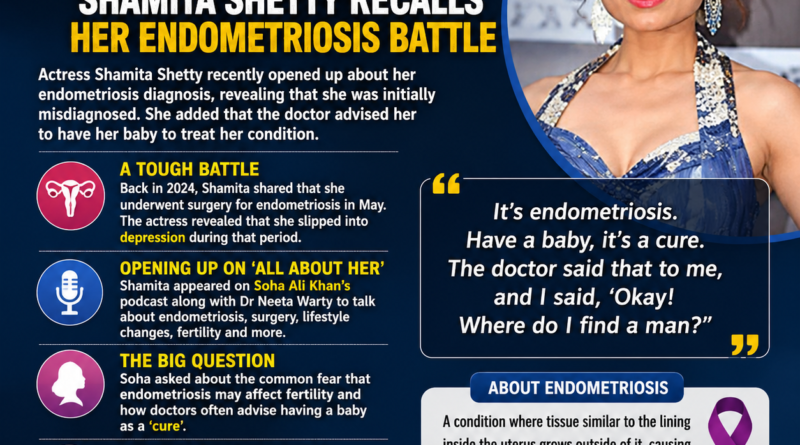
Shamita Shetty Endometriosis
Misdiagnosed for Years: Shamita Shetty Opens Up About Her Endometriosis Battle
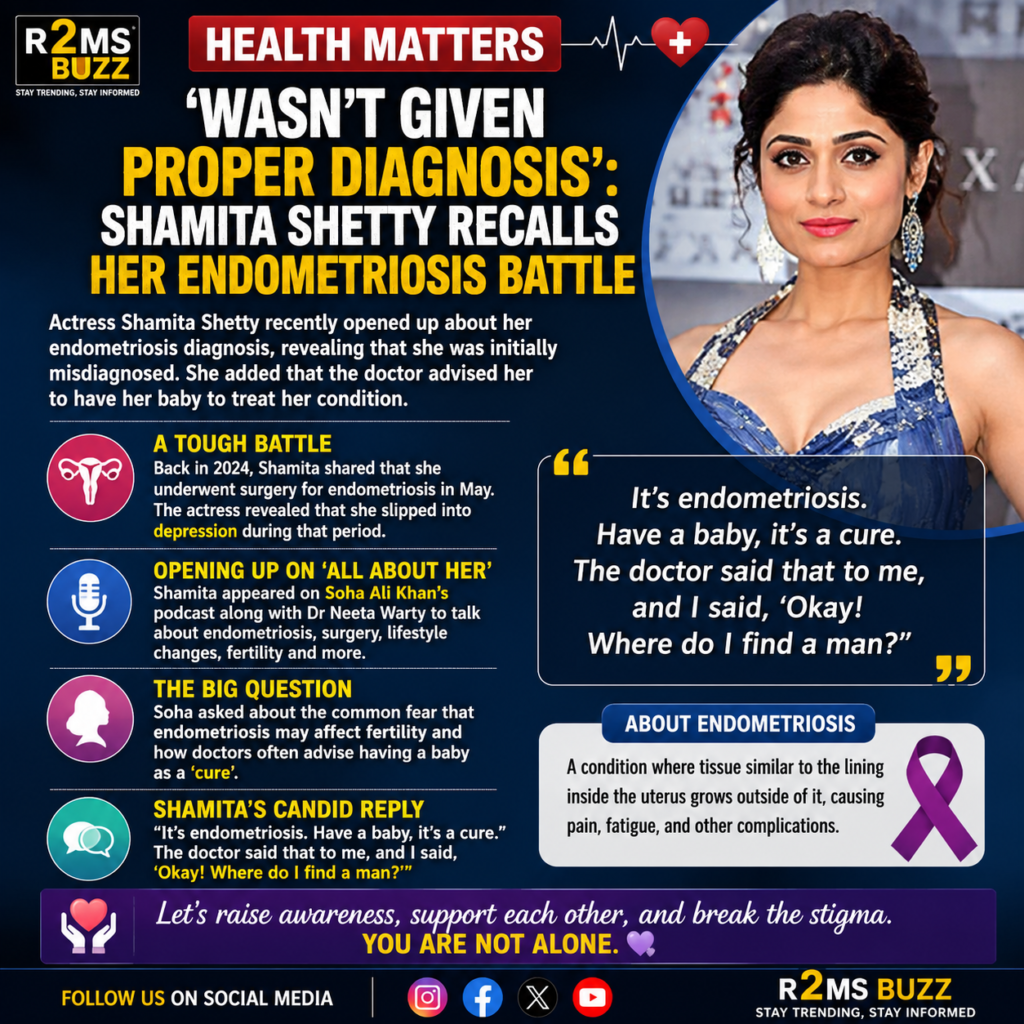
Actress Shamita Shetty has spoken candidly about one of the most difficult chapters of her life, revealing how a delayed diagnosis of endometriosis affected both her physical and emotional well-being. During a recent podcast conversation, the actress shared that she was initially misdiagnosed and spent years living with unexplained pain before finally learning the real cause of her condition.
Her honest account has resonated with thousands of women because it reflects a struggle that is far more common than many realize. Endometriosis is a chronic health condition that often goes undiagnosed for years, leaving patients coping with persistent pain, uncertainty, and emotional stress.
Shamita’s story is not just about a personal health battle—it is also helping raise awareness about a condition that affects millions of women around the world but remains widely misunderstood.
“I Wasn’t Given the Right Diagnosis”
Speaking openly about her experience, Shamita recalled that doctors initially failed to identify her condition correctly. She explained that despite experiencing symptoms, she did not receive a proper diagnosis in the early stages.
Like many women suffering from endometriosis, she continued to experience discomfort while searching for answers.
Eventually, medical examinations confirmed that she was living with endometriosis, a condition in which tissue similar to the lining of the uterus grows outside the uterus, leading to pain, inflammation, and in some cases fertility-related complications.
Her revelation has sparked conversations on social media about the importance of early diagnosis and better awareness of women’s reproductive health.
A Difficult Journey That Led to Surgery
Shamita previously revealed that she underwent surgery for endometriosis in 2024.
The actress described the period surrounding her surgery as emotionally challenging, admitting that she slipped into depression while dealing with the physical pain and uncertainty surrounding her health.
Living with chronic illness often affects more than just the body. Constant pain, repeated medical appointments, delayed diagnosis, and anxiety about future health can take a serious emotional toll.
By sharing this part of her journey, Shamita has encouraged many women to speak openly about both the physical and mental health challenges associated with chronic medical conditions.
The Advice That Shocked Her
One of the most talked-about moments from the interview came when Shamita recalled a doctor’s advice after her diagnosis.
According to the actress, she was told:
“Have a baby, it’s a cure.”
She responded with humor, saying:
“Okay… where do I find a man?”
Her light-hearted reply quickly gained attention online, but it also highlighted an important issue.
Medical experts generally agree that pregnancy is not considered a cure for endometriosis. While some women may temporarily experience symptom relief during pregnancy because of hormonal changes, the condition itself does not disappear and symptoms can return after childbirth.
Health professionals emphasize that treatment should always be based on individual medical needs rather than outdated assumptions.
What Is Endometriosis?
Endometriosis is a chronic condition in which tissue similar to the uterine lining grows outside the uterus.
These tissue growths commonly develop on:
- Ovaries
- Fallopian tubes
- Outer surface of the uterus
- Pelvic lining
- Bladder
- Bowel
Because this tissue responds to hormonal changes during the menstrual cycle, it can cause inflammation, internal bleeding, scar tissue formation, and severe pain.
Although endometriosis affects millions of women globally, diagnosis often takes several years because symptoms are frequently mistaken for normal menstrual discomfort.
Common Symptoms
Symptoms vary from person to person, but common signs include:
- Severe menstrual cramps
- Chronic pelvic pain
- Pain during or after intercourse
- Pain while passing urine or stool during menstruation
- Heavy menstrual bleeding
- Fatigue
- Lower back pain
- Digestive discomfort
- Difficulty conceiving
Some women experience only mild symptoms, while others may have severe pain despite limited visible disease.
Why Diagnosis Is Often Delayed
One of the biggest challenges surrounding endometriosis is delayed diagnosis.
Many women are told that painful periods are “normal” and may spend years without proper medical evaluation.
Several factors contribute to delayed diagnosis:
- Symptoms resemble other medical conditions.
- Lack of awareness among patients.
- Social stigma around discussing menstrual health.
- Limited access to specialists.
- Misinterpretation of symptoms.
Studies in several countries suggest that diagnosis can sometimes take seven to ten years after symptoms first appear.
Stories like Shamita Shetty’s highlight why awareness is so important.
Emotional Impact of Living With Endometriosis
Chronic pain can significantly affect emotional well-being.
Women living with endometriosis often report:
- Anxiety
- Depression
- Sleep disturbances
- Reduced quality of life
- Social isolation
- Difficulty maintaining work routines
Shamita’s admission that she experienced depression during her treatment reminds people that chronic illnesses affect both mental and physical health.
Mental health support is increasingly recognized as an essential part of comprehensive endometriosis care.
Can Endometriosis Affect Fertility?
One of the most common concerns surrounding endometriosis involves fertility.
While many women with endometriosis become pregnant naturally, the condition can make conception more difficult in some cases.
Scar tissue, inflammation, and damage to reproductive organs may affect fertility depending on the severity of the disease.
Doctors typically recommend individualized treatment plans based on factors such as:
- Age
- Severity of symptoms
- Stage of disease
- Future pregnancy plans
Importantly, experts stress that pregnancy should never be viewed as a universal treatment for endometriosis.
Treatment Options
There is currently no permanent cure for endometriosis, but several treatments can help manage symptoms.
Treatment options may include:
Pain Management
Doctors may recommend medications to reduce inflammation and manage chronic pain.
Hormonal Therapy
Hormonal medicines can help slow the growth of endometrial tissue and reduce symptoms.
Surgery
In moderate to severe cases, laparoscopic surgery may remove endometriosis tissue while preserving reproductive organs.
Lifestyle Changes
Many women benefit from:
- Regular exercise
- Anti-inflammatory diets
- Stress management
- Adequate sleep
- Physiotherapy
Treatment varies from patient to patient and should always be guided by qualified healthcare professionals.
Why Shamita’s Story Matters
Public figures speaking about health issues often encourage wider public awareness.
Shamita Shetty’s openness has helped bring attention to several important issues:
- Delayed diagnosis.
- Women’s reproductive health.
- Mental health struggles.
- Fertility concerns.
- Medical myths surrounding pregnancy.
- The importance of seeking specialist care.
Thousands of women have shared similar experiences online following her interview, showing that many continue to struggle with delayed diagnosis.
Breaking the Silence Around Women’s Health
Despite affecting millions worldwide, conversations about menstrual disorders remain limited in many societies.
Women frequently normalize severe pain because they believe it is part of menstruation.
Medical experts emphasize that persistent pelvic pain should never be ignored.
Early consultation with a qualified gynecologist can improve diagnosis, reduce complications, and enhance quality of life.
Greater awareness among families, schools, employers, and healthcare providers can help reduce stigma and encourage timely medical care.
A Message of Hope
Although endometriosis can be challenging, advances in diagnosis, treatment, and awareness are improving outcomes for many patients.
Women experiencing persistent symptoms should know they are not alone.
Support groups, specialist doctors, mental health professionals, and patient organizations continue working to improve education and care for people living with endometriosis.
Stories like Shamita Shetty’s remind others that speaking openly about health can encourage earlier diagnosis and help many women receive the care they deserve.
Conclusion
Shamita Shetty’s candid discussion about her endometriosis journey has started an important conversation about a condition that remains underdiagnosed despite affecting millions of women worldwide. Her experience of being initially misdiagnosed, undergoing surgery, battling depression, and questioning outdated medical advice highlights the urgent need for greater awareness and better women’s healthcare.
Her story also serves as a reminder that severe menstrual pain should never be dismissed as normal. Timely diagnosis, evidence-based treatment, and emotional support can make a significant difference in the lives of those living with endometriosis.
As awareness continues to grow, conversations like these can help remove stigma, encourage early medical attention, and ensure that more women receive the understanding and treatment they need.